

Mold Remediation
We physically remove the mold. We don't just spray it.
Our exclusive process: dry the space out for 4–6 weeks, soda blast the wood at 150 psi with non-hazardous Arm & Hammer baking soda, and follow with an AnaBac hydrogen peroxide treatment. Then we encapsulate so it stays gone.
Dead mold still makes you sick. The EPA is explicit: even dead mold spores can cause allergic reactions. That's why remediation has to physically remove the mold — not just kill it or spray a coating over it.
Our exclusive process
- 1
Dry out — 4 to 6 weeks with a dehumidifier
Mold regrows above 60% humidity. If we sealed a wet crawl space, we'd be locking the problem in. So a properly-sized dehumidifier goes in first, and the space dries down for 4–6 weeks before we touch it. Almost nobody else in the Triangle does this step. It's the reason our remediation actually holds.
- 2
Soda blast at 150 psi
We physically strip the mold off the wood using non-hazardous Arm & Hammer baking soda at 150 psi. The abrasive action removes mold from wood fibers without gouging the joists or leaving toxic residue. What's left is clean wood — not painted-over mold.
- 3
AnaBac hydrogen peroxide treatment
Immediately after soda blasting, we apply an AnaBac hydrogen peroxide treatment across every surface. It breaks down to water and oxygen — no lingering chemistry, no fragrance masking, nothing you wouldn't want under your home.
- 4
Encapsulate and keep it dry
Vapor barrier across floor, walls, and piers. A dehumidifier to hold the space around 50%. An exhaust fan for negative pressure. That's how it stays remediated — because the conditions mold needs to grow are gone.
Why we do it this way
- Follows EPA guidance
The EPA's mold remediation guidance calls for physical removal, source moisture control, and prevention of regrowth.
- Follows IICRC guidance
We follow the IICRC's published standards for structural drying and mold remediation, top to bottom.
- Non-toxic media
Sodium bicarbonate is the same substance in your baking soda box. Safe for kids, pets, and the crew.
- Verifiable results
Before/after photos, humidity readings on install and follow-up, plus Limited lifetime warranty options available on qualifying systems, subject to maintenance requirements, service agreements, and applicable terms..
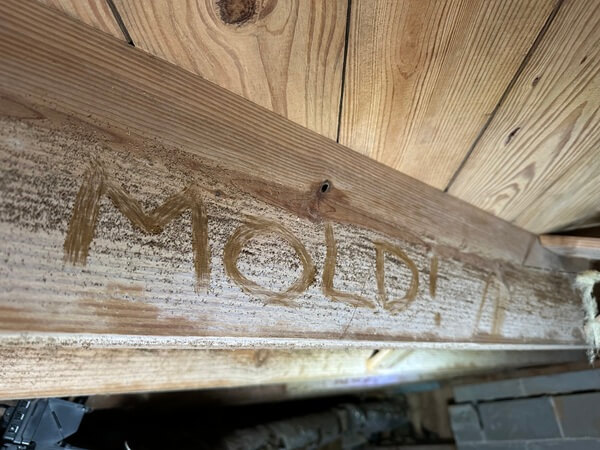
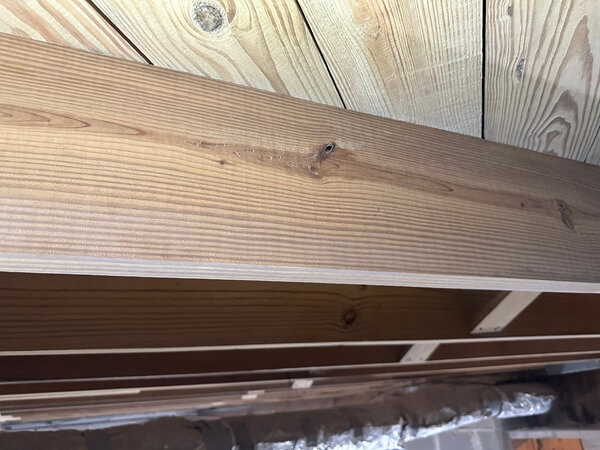
Actual before/after from a Triangle-area soda blasting job.
Mold in Your Crawl Space? Here's How It's Properly Removed
Proper crawl space mold remediation happens in three steps, always in this order: first, dry the space with a properly sized dehumidifier for four to six weeks so the wood and soil stop feeding the mold; second, physically remove the mold by soda blasting and treating the wood with a hydrogen peroxide product; third, encapsulate and hold humidity near 50% so it can't come back. Skipping the dry-out is the most common mistake — mold regrows within months if you blast and seal a damp crawl space.
A lot of companies skip the four-to-six-week dry-out because it slows the schedule down, but it's the step that makes the remediation actually hold. Mold regrows any time humidity climbs above roughly 60%, so if the moisture trapped in the wood isn't pulled out first, new growth starts feeding again within months. Our process follows EPA and IICRC published guidelines, and it ends with encapsulation and a dehumidifier so the space stays dry for good. Every mold assessment is free and includes photos.
Frequently asked questions
Straight answers on how crawl space mold remediation actually works.
How do you remove crawl space mold?
In three phases, always in this order. First we dry the space out with a properly-sized dehumidifier for 4–6 weeks, because mold regrows anywhere humidity is above 60%. Then we physically remove the mold by soda blasting with non-hazardous Arm & Hammer baking soda at 150 psi. Finally we follow up with an AnaBac hydrogen peroxide treatment and encapsulate the space so it stays dry. It's the sequence the EPA and IICRC actually recommend.
Is soda blasting better than spraying?
Yes — and it's not close. Spraying a chemical over mold may kill some of it, but the EPA is explicit that dead mold spores can still cause allergic reactions. Mold has to be physically removed, not just killed. Soda blasting strips the mold off the wood mechanically, so what's left is actually clean instead of just chemically treated.
Do I have to dry the crawl space out first?
Yes. Mold thrives above 60% relative humidity, so if you blast or spray a wet crawl space and then seal it up, the mold comes right back within months. We install a dehumidifier first and give the space 4–6 weeks to dry down. It's the step most contractors skip because it slows down the job — and it's the single biggest reason remediation fails.
Will the mold come back?
Not if the moisture problem is solved. That's why encapsulation and a permanent dehumidifier are part of the process, not an add-on. We aim to hold the crawl space around 50% humidity year-round, well below the growth threshold. Our work is backed by Limited lifetime warranty options available on qualifying systems, subject to maintenance requirements, service agreements, and applicable terms..
Is the baking soda process safe?
Yes. We use standard Arm & Hammer sodium bicarbonate — the same product in your fridge. It's non-toxic, non-hazardous, and safe around children and pets. The AnaBac hydrogen peroxide follow-up breaks down into water and oxygen. Nothing we use leaves harmful residue in your home.
Free assessment
Ready to see what's really going on under your home?
Book a free, no-pressure crawl space assessment. A member of our family-owned team — never a commissioned salesperson — comes to your home.