

01
Dry It
4–6 weeks with a dehumidifier
Mold regrows anywhere humidity climbs above 60%. We install a dehumidifier first and let the crawl space dry for four to six weeks — the step most contractors skip.
Triangle NC · Locally owned · No commissioned sales
Crawl Space Ninja of Raleigh uses a proven three-phase process to dry the crawl space, physically remove visible mold, and seal out future moisture — without commissioned salespeople or pressure-driven recommendations.
Led by retired Wake County Sheriff's deputy Chris Jackson. Locally owned by Chris and Jessica Jackson in Holly Springs.
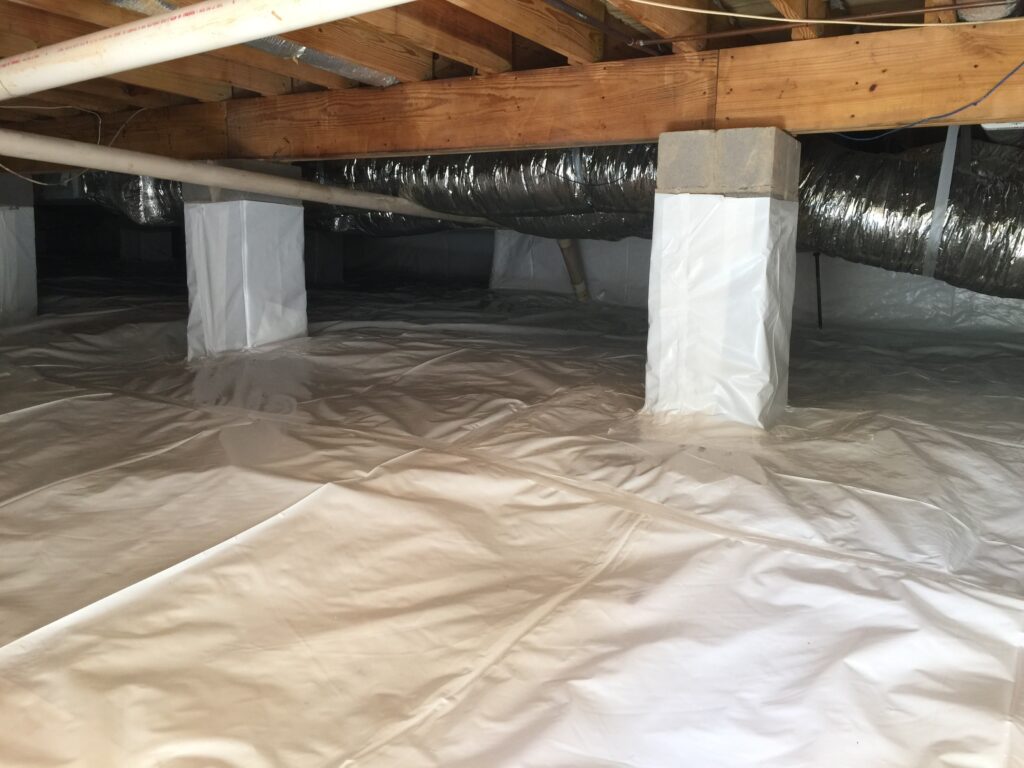
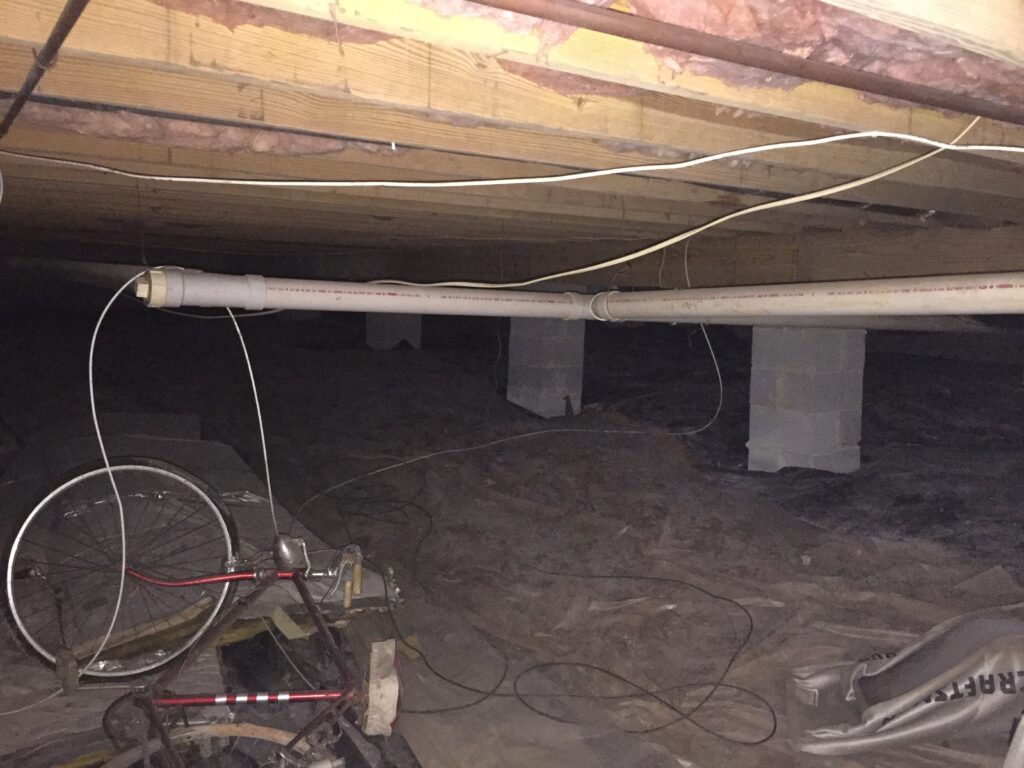
Drag the divider to compare. Same-angle before & after from an actual Crawl Space Ninja project.
The Raleigh Ninja Standard
A crawl space isn't fixed by spraying something on the mold and calling it done. Here's exactly how we do it — the same order, every project.
4–6 weeks with a dehumidifier
Mold regrows anywhere humidity climbs above 60%. We install a dehumidifier first and let the crawl space dry for four to six weeks — the step most contractors skip.
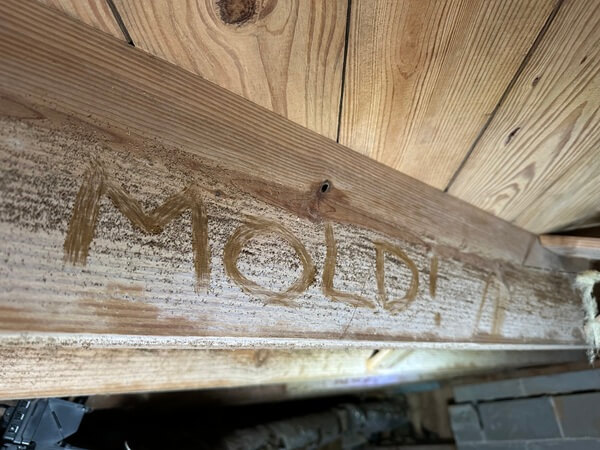
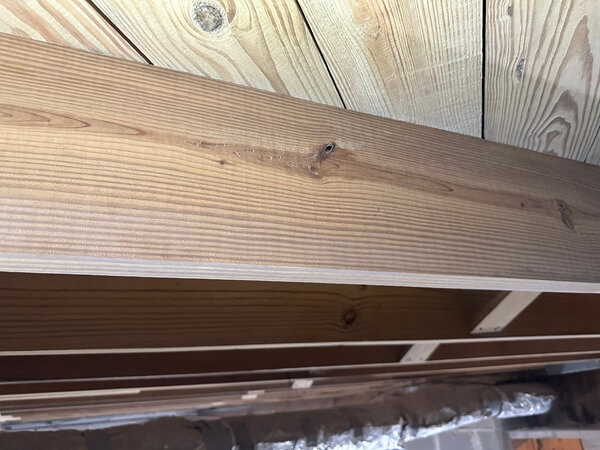
Soda blasting at 150 psi
We physically remove visible mold by soda blasting with non-hazardous Arm & Hammer baking soda. The EPA calls for removal — not just spraying a chemical over the surface.
Vapor barrier + conditioned air
A sealed vapor barrier goes across the floor, walls, and piers. A dehumidifier and exhaust fan hold negative pressure so moisture and radon stay out of the living space above.
Family owned in Holly Springs
Crawl Space Ninja of Raleigh is a locally owned, family-run business — not a national call center. When you book an assessment, you get a real member of our team who's focused on solving your crawl space problem, not pushing a hard sell.
Owner & CEO
Retired Wake County Sheriff's deputy. Handles field operations, inspections, and holds the crew to the same standards he held a patrol team to — integrity, discipline, and accountability.
Owner
Runs operations, scheduling, customer care, and community relationships. If you call our office, there's a good chance Jessica is who you'll talk to.


60-second check
Seven quick questions. Educational only — not a diagnosis. If anything here sounds familiar, we'll come take a look for free.
Do you notice a musty or basement-like odor inside the home?
Does indoor humidity feel high, or does the AC run constantly?
Have you seen standing water in the crawl space after rain?
Do windows, ducts, or pipes show condensation?
Is insulation sagging, falling, or discolored?
Do floors feel cold, damp, or uneven?
Have you seen visible growth on joists or the subfloor?
Service area
We work under homes across Wake and the surrounding counties every week. If your house is in the Triangle, we can get to it.
See full service area →FAQs
The questions Triangle homeowners ask us most often about mold, moisture, encapsulation, drainage, and dehumidifiers.
The everyday signs are a musty smell on the first floor, cupped or springy hardwoods, condensation on ductwork, rusting metal supports, and higher-than-expected humidity readings in the house. In the Triangle, our summer dew points sit in the 70s for weeks at a time, which pushes most vented crawl spaces above 70% relative humidity. If you haven't looked under the house in a few years, a free assessment tells you where you actually stand.
Three steps, always in this order. We dry the space with a properly sized dehumidifier for four to six weeks so the wood and soil are no longer feeding mold. We physically remove the mold by soda blasting with Arm & Hammer baking soda at 150 psi, then treat the wood with a hydrogen peroxide product. Finally we encapsulate and keep the humidity around 50% so the problem does not return. Follows EPA and IICRC published guidelines.
Mold regrows any time relative humidity climbs above roughly 60%. If we blast or spray a damp crawl space and seal it back up, the moisture trapped inside the wood keeps feeding new growth within months. Running a dehumidifier for four to six weeks pulls that bound water back out so the remediation actually holds. It is the step most competitors skip because it slows the schedule down.
Encapsulation turns a vented dirt crawl space into a sealed, conditioned one. A heavy vapor barrier covers the floor, walls, and piers. Foundation vents are sealed. A right-sized dehumidifier holds humidity near 50% year-round, and an exhaust fan creates slight negative pressure so any leakage moves out of the house rather than up into it. The wrap by itself is not the system — the dehumidifier and airflow are what keep the space dry.
Standing water is a separate problem from humidity and has to be handled first. Depending on where the water is coming from we may regrade a small area, add an interior perimeter drain that catches groundwater at the footing, and pipe it to a sump pump with a sealed lid. Once the bulk water path is controlled, then the vapor barrier, dehumidifier, and encapsulation can do their job. Skipping the drainage step means the dehumidifier fights a losing battle.
Free assessment
We'll take a look, tell you what we see, and explain exactly what — if anything — needs to happen. No pressure. No pricing games.
A member of our family-owned team — not a commissioned salesperson — comes to your home.